
I remember the day I picked up the book “I Do Not Come To You By Chance” by Adaobi Tricia Nwaubani. I obsessively read that book, carrying it through the small routines of my day until there was nothing left to read. I remember thinking to myself how much of a beautiful read the book was, it had a way of making familiar truths feel newly exposed.
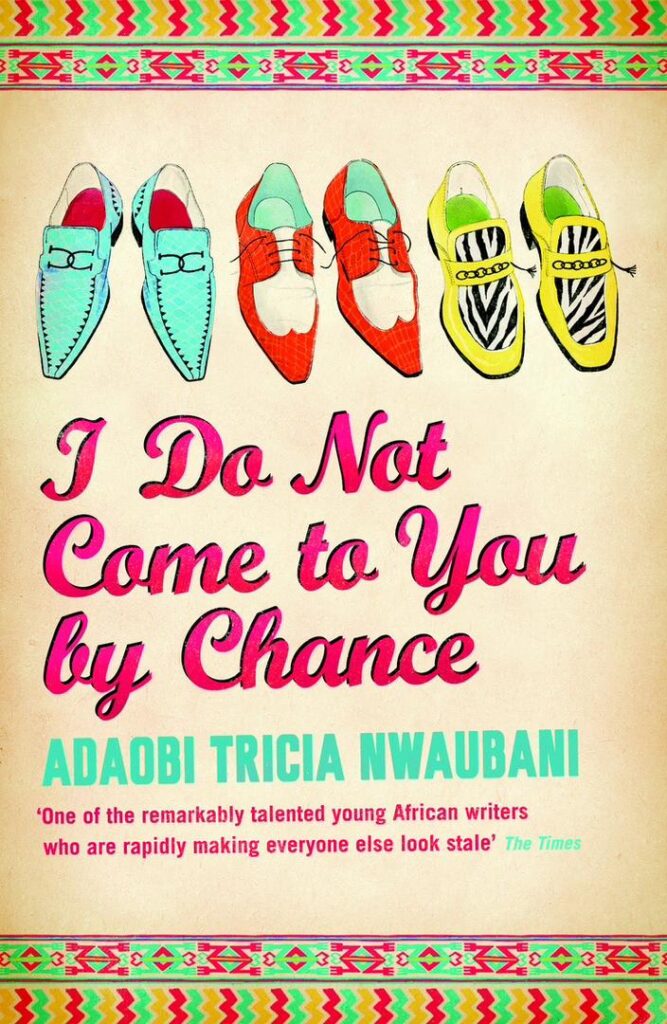
There is a line in the book I carry with me everywhere and quote so often that everyone around me have heard at least 2-3 times. The line was spoken by the main character’s uncle, he observes almost casually that poor people are often the proudest. This statement was not meant as praise, what it suggests is that pride (what we have rebranded as “dignity”) is not equally demonstrated across class. It is more often demanded where power and influence is absent.
I recently watched the season 2 of the show “Pachinko” and this quote immediately popped up in my head. The show is set across Korea and Japan for most of the twentieth century, during the Japanese colonial rule and its aftermath. The story follows Sunja, a young girl from a poor family who falls in love and gets pregnant for a married wealthy man who offers to provide for her and the child. Accepting the offer would have significantly changed her life and the lives of the generations after her, the decades of instability and precarity would have been avoided but she refused the offer. Accepting the offer would mean becoming a “kept woman” secure but socially illegitimate. it would force her to surrender what she has been taught to protect above all else: her dignity, and so she protects her moral standing, but the cost of that does not disappear. it is deferred.
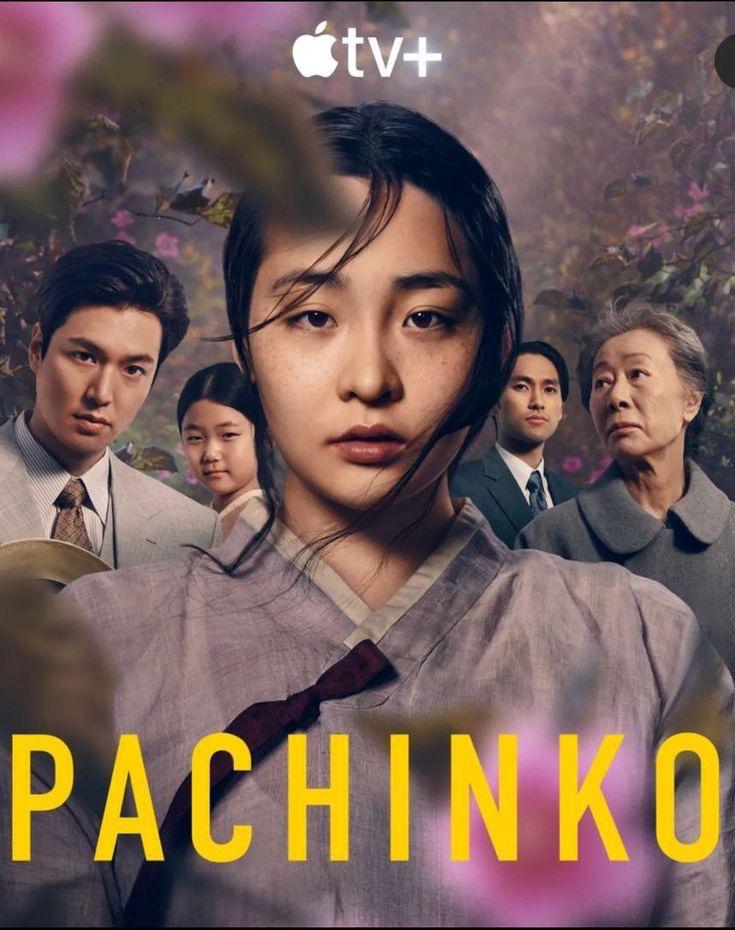
Pachinko makes it clear that dignity does not make suffering go away, it only reorganizes it. Sunja’s choice allows her to discover herself, but it does not protect her. Instead, the consequences of the choice is passed forward, shaping the hardships her children and grandchildren must endure. Dignity remains intact but struggle persists.
This is where dignity begins to look less like an unquestioned virtue and more like a social construct, one that is unequally enforced and calculatedly glorified. The poor are meant to be dignified because they cannot afford to be anything else and where there is no financial leverage, dignity becomes a substitute currency. Meanwhile, the wealthy’s indiscretion are excused. Money absorbs shame and power gives room for excesses.
Dignity is often praised because it is “more demanding”, we admire endurance when relief is more humane. Suffering is seen as noble when addressing it would be inconvenient. Dignity becomes a way to romanticize hardship, to admire those who carry it well instead of questioning why they must carry it all. It does not prevent harm, it polices how harm should be endured, it makes sure suffering remains respectable and non-disruptive.
In saying these, I am not trying to invalidate Sunja’s agency or resilience, I am only trying to question the conditions that made dignity her most viable option. When dignity is an obligation rather than a choice, its no longer empowering and starts being expected and then it becomes a burden placed on those with the least room to refuse it.
I don’t think dignity is the highest good we make it to be, I think it is the only currency the poor has and I think it is a restriction that keeps the poor where they are. Dignity as we have constructed it, often exist to keep suffering organised rather than end it. The question to be answered is not whether dignity has value but who it benefits in the long run. If it requires the biggest sacrifice from the powerless, then we should ask if what we call dignity is less a virtue and maybe a mechanism that keeps inequality intact.
Dear readers I urge you guys to read the book “I Do Not Come To You By Chance”(I think it is one of my favourite books of all time) and please watch the show “Pachinko” (it is based on the book if you would rather read the book), it has such a beautiful and unique storyline. When I told my sister about this post she asked me “what is that principle you have set that no amount of money can make you compromise?” lol I could not think of any and so I pose the question to you guys my beautiful readers. I’ll be in the comments maybe trying to steal you guys’ own.
Xoxo Coco.

It was a wonderful read. Truly, everyone has a price. You just have to know what that is. Some may not even be the currencies we would all think at a glance. Some it’s love, some friendship, some power etc. we all compromised im one phase of our lives knowingly or unknowingly.

I like the part “Everyone has a price”


Leave A Comment